


News
The Value of Preventive Maintenance Programs for Capital Equipment

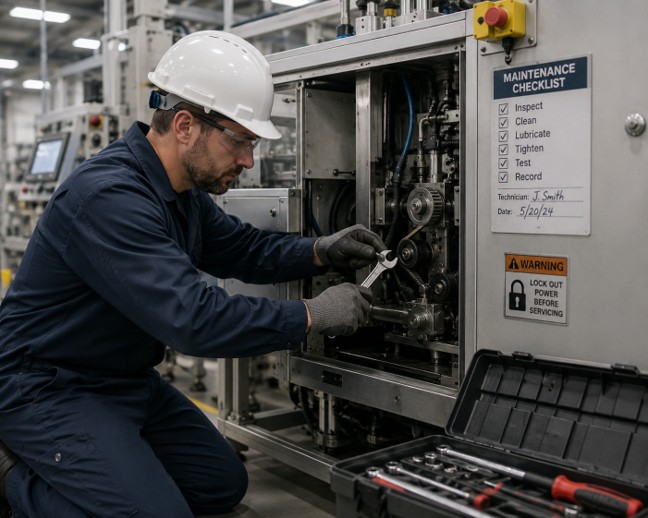
Capital equipment represents some of the most significant investments an organization makes. Whether it involves manufacturing machinery, medical equipment, fleet vehicles, industrial processing systems, construction equipment, or specialized production assets, these critical resources are essential for preventing unexpected breakdowns, extending lifespan, and maintaining productivity, quality, and profitability. Yet many organizations continue to operate under a reactive maintenance model, addressing problems only after equipment fails.
While this approach may appear to reduce short-term maintenance expenses, it often leads to higher long-term costs, unexpected downtime, reduced productivity, and premature equipment replacement. Preventive maintenance programs offer a far more strategic and cost-effective solution.
A well-designed preventive maintenance (PM) program focuses on regularly scheduled inspections, servicing, adjustments, testing, and component replacement before failures occur. Rather than having their customers simply react to breakdowns, manufacturers offer programs to proactively manage their customers’ equipment health, maximizing performance, reliability, and lifespan.
Understanding Preventive Maintenance
Preventive maintenance is a structured approach to equipment care that involves performing maintenance activities at predetermined intervals based on time, operating hours, production cycles, or manufacturer recommendations.
Common preventive maintenance activities include:
- Equipment inspections
- Lubrication and fluid replacement
- Calibration and alignment
- Cleaning and contamination control
- Wear-part replacement
- Safety testing
- Performance monitoring
- Electrical system checks
- Filter replacement
The goal is simple: identify and correct potential issues before they develop into costly failures.
Unlike emergency repairs, preventive maintenance allows maintenance teams to schedule work during planned downtime, minimizing operational disruption while maintaining equipment reliability.
Reducing Unexpected Downtime
One of the greatest benefits of a preventive maintenance program is the reduction of unexpected equipment failures.
Unplanned downtime can have devastating effects on operations. A single machine failure can halt production lines, delay deliveries, disrupt schedules, and negatively impact customer satisfaction. In industries where equipment availability is critical, downtime can cost thousands, or even hundreds of thousands, of dollars per hour.
Preventive maintenance helps identify warning signs such as:
- Excessive vibration
- Component wear
- Fluid leaks
- Electrical irregularities
- Misalignment
- Overheating
- Corrosion
By detecting these issues early, organizations can schedule repairs before a catastrophic failure occurs. This proactive approach significantly improves equipment availability and operational continuity.
Extending Equipment Life
Capital equipment, which can cost hundreds of thousands to millions of dollars, is designed to provide years, and often decades, of productive service. However, equipment lifespan depends heavily on how well it is maintained.
Without regular maintenance, minor issues accumulate over time. Components wear prematurely, operating conditions deteriorate, and equipment is forced to work harder than intended. These conditions accelerate aging and increase the likelihood of major failures.
Preventive maintenance ensures equipment remains in optimal operating condition throughout its lifecycle. Routine servicing protects critical components, reduces unnecessary stress, and minimizes deterioration.
Organizations that implement comprehensive maintenance programs can realize substantial increases in equipment life expectancy, delay expensive replacement purchases, and improve return on investment.
Ensuring Your Customers Stay Protected with Preventive Maintenance Agreements
Preventive maintenance (PM) agreements are more than just recurring service contracts; they are a critical part of keeping capital equipment reliable, compliant, and cost-effective throughout its lifecycle. Whether the agreement covers a single machine or an entire fleet of assets, the program’s value depends on one thing: continuity.
Most PM agreements run for a defined term, commonly six months or one year. As those expiration dates approach, customers can easily lose coverage without realizing the operational and financial risks involved. Missed maintenance intervals, delayed inspections, and unplanned breakdowns can quickly erase the savings and reliability benefits the program was designed to deliver.
Why Continuous Coverage Matters
Customers often rely on PM agreements to ensure:
- Routine inspections and servicing occur on schedule
Regular maintenance helps identify wear, calibration drift, and minor issues before they become major failures.
- Maintain high equipment uptime
Consistent service reduces unexpected downtime and helps operations run smoothly.
- Regulatory and warranty requirements are met
Many businesses, such as the medical industry, require documented maintenance for compliance, safety, or warranty protection.
- Operating costs stay predictable
Preventive maintenance programs are far less expensive than emergency repairs or equipment replacement.
When an agreement lapses, even temporarily, customers may miss critical service windows. That can lead to higher repair costs, reduced equipment life, and operational disruptions that could have been avoided with uninterrupted coverage.
The Challenge of Managing Renewals
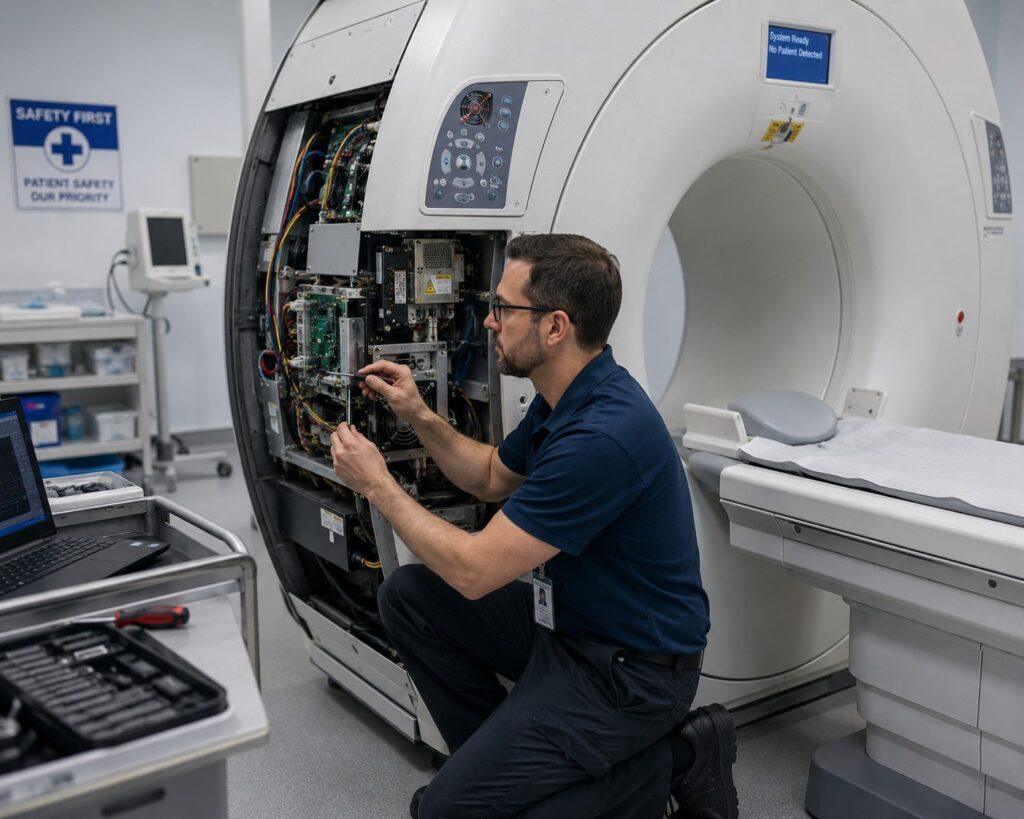
The complexity of PM renewals increases with the number of assets involved. A customer may have ten pieces of equipment, or hundreds, each with different service histories, maintenance schedules, and contract dates.
Without a structured renewal process, agreements can fall through the cracks because of:
- Expired contracts that go unnoticed
- Delayed quotes or approvals
- Inconsistent follow-up with customers
- Poor visibility into upcoming expirations
For manufacturers, this creates both a customer and revenue risk. Lapsed agreements can weaken customer relationships and reduce recurring service revenue.
Building an Effective Renewal Process
A proactive renewal strategy helps ensure customers remain covered and equipment stays maintained. Key elements include:
1. Centralized Contract Tracking
Maintain a system that tracks agreement start dates, expiration dates, covered equipment, and renewal status. Even a simple CRM or service management platform can provide visibility into upcoming expirations.
2. Advance Customer Notifications
Reach out well before the agreement expires, typically 60 to 90 days in advance. Early communication gives customers time to review budgets, approvals, and equipment needs without feeling rushed.
3. Clear Renewal Quotes
Provide straightforward renewal proposals that outline:
- Covered equipment
- Included services
- Pricing and term length
- Any recommended updates or additions
Making the agreement’s value easy to understand improves renewal rates.
4. Consistent Follow-Up
Many renewals are delayed simply because the quote was sent but never revisited. A structured follow-up cadence, by phone and email, keeps the conversation personalized, moving forward, and demonstrates attentiveness to the customer’s needs.
Outsourcing PM Agreement Renewals: A Strategic Advantage
As preventive maintenance programs grow, so does the complexity of managing contract renewals. Manufacturers often oversee dozens, hundreds, or even thousands of covered assets, each with unique service schedules and contract expiration dates. Ensuring every customer remains protected requires consistent communication, diligent tracking, and dedicated follow-up.
For many manufacturers, outsourcing PM agreement renewals to a specialized renewal management firm that serves as their internal staff has become an effective strategy for maintaining customer coverage while allowing their teams to focus on their core responsibilities.
Benefits of Outsourcing Renewal Management
- Dedicated Focus on Renewals: Specialized renewal providers concentrate exclusively on contract management, ensuring that expiring agreements receive timely attention and follow-up.
- Higher Renewal Rates: Through proven processes, automated tracking systems, and persistent customer outreach, renewal specialists can help reduce contract lapses and improve retention.
- Reduced Administrative Burden: Sales representatives and service personnel can spend more time supporting customers, generating new business, and delivering service rather than managing renewal paperwork and follow-up activities.
- Scalability: As your customer base and installed equipment population grow, outsourced renewal programs can easily expand without requiring additional internal staffing.
- Improved Customer Coverage: Proactive outreach helps ensure customers maintain uninterrupted preventive maintenance protection, reducing the likelihood of missed service intervals and unexpected equipment failures.
- Predictable Recurring Revenue: By minimizing contract expirations and increasing renewal consistency, organizations can increase this valuable recurring service revenue and improve long-term business forecasting.
Rather than replacing customer relationships, a well-managed outsourced renewal program serves as an extension of your organization, providing specialized expertise and resources dedicated to keeping customers continuously covered.
Turning Renewals into a Value Conversation
A PM renewal should never be viewed as simply extending a contract. It represents an opportunity to reinforce the value that preventive maintenance has delivered throughout the agreement period.
Effective renewal discussions should emphasize:
- Equipment uptime achieved during the contract term
- Potential failures and costly repairs are avoided through proactive maintenance
- Compliance, safety, and warranty requirements maintained
- Recommendations for improving equipment performance and reliability
- Opportunities to expand coverage or add newly acquired equipment
By focusing on outcomes rather than paperwork, customers recognize that renewing their agreement is an investment in operational continuity, asset protection, and long-term cost control.
Protecting Both Your Customer and Your Business
Ensuring customers remain covered under preventive maintenance agreements and service contracts benefits everyone involved. Customers gain uninterrupted equipment protection, predictable service costs, improved reliability, and reduced operational risk. Manufacturers benefit from stronger customer retention, increased recurring revenue, and greater visibility into future service opportunities.
A proactive renewal strategy, supported by dedicated outsourced renewal specialists, helps prevent coverage gaps, protects valuable customer relationships, and ensures that preventive maintenance programs continue delivering measurable value year after year.
Conclusion
Capital equipment represents a significant investment that directly impacts productivity, profitability, safety, and operational performance. While reactive maintenance may appear less costly in the short term, the long-term consequences of unexpected breakdowns, emergency repairs, production interruptions, and shortened asset life can be substantial.
Preventive maintenance programs provide a proactive and cost-effective approach to maximizing equipment performance and reliability. By reducing downtime, extending asset lifespan, improving safety, enhancing operational efficiency, lowering overall maintenance costs, and supporting compliance requirements, PM programs deliver measurable value throughout the equipment lifecycle.
Equally important is ensuring those programs remain active and uninterrupted. Effective renewal management, particularly when supported by dedicated outsourced specialists, reduces costs, helps manufacturers maintain continuous customer coverage, improves contract retention, and protects recurring service revenue.
Manufacturers that invest in both preventive maintenance and proactive renewal strategies are not merely maintaining equipment; they are protecting capital investments, strengthening customer relationships, and laying the foundation for sustained operational success. In today’s competitive environment, preventive maintenance supported by effective contract renewal management is more than a best practice; it is a strategic business advantage.
Click here to learn how we can help you increase this valuable revenue stream.
